
Tree Removal & Tree Cutting Services Fort Mill, SC
Some trees shade a home for fifty years. Others lean toward a roof and quietly become a threat. Knowing the difference takes a trained eye. Tree Removal & Tree Cutting Services Fort Mill, SC give property owners a safe, planned way to handle both healthy giants and failing trunks. This guide covers how removals work, what they cost, and when they truly become necessary.
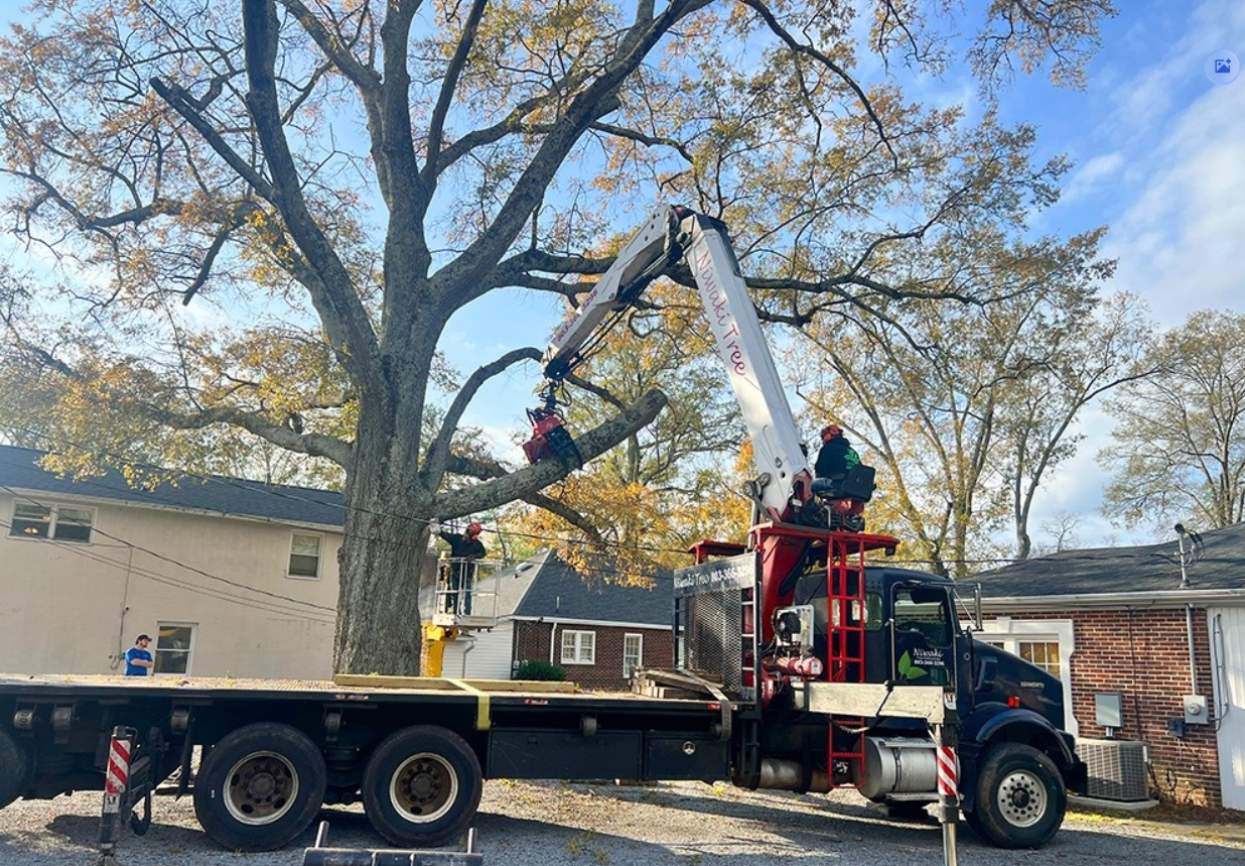
Removal Work Handled Safely From Start to Finish
No two removals look alike. Tree Removal & Tree Cutting Services Fort Mill, SC must account for space, lean, weight, and everything sitting underneath. Niwaki Tree studies those factors before any equipment moves onto a property. A certified arborist checks trunk health, root condition, and drop zones, then chooses the method that carries the least risk.
Common jobs include:
- Residential tree removal — clearing trunks near homes, fences, pools, and power lines.
- Commercial tree removal — work for offices, HOA properties, and retail sites with limited access.
- Dead tree removal — taking down brittle wood before it drops on its own schedule.
- Hazardous and diseased tree work — handling trunks weakened by rot, cankers, or root failure.
- Large tree removal — sectional dismantling of mature oaks, pines, and poplars.
- Crane-assisted removal — lifting heavy limbs straight up and out of tight backyards.
- Tree felling — full drops in open areas where space allows a controlled fall.
- Land clearing — preparing lots for building projects, gardens, or new fence lines.
- Stump grinding and debris haul-away — leaving ground level and yards clean.
Choosing between a full removal and careful tree cutting service work matters. Sometimes a heavy limb is the only problem, and the tree keeps standing for another decade. Other times decay runs through the trunk, and large tree removal becomes the safer path. Honest assessments protect both budgets and trees.
Why Property Owners Across York County Trust Our Crews
Removal is heavy, technical work. A single misjudged cut can take out a fence, a car, or a roofline. Niwaki Tree approaches each job in Fort Mill, SC with careful rigging, correct equipment, and crews trained to stop and reassess when conditions change.
Property owners gain real protections:
- Licensed and insured operations, with proof of coverage available before work begins.
- ISA certified expertise guiding every removal decision on site.
- Free estimate visits that explain the plan in plain language, with no pressure to book.
- Written tree removal cost breakdowns so surprises never appear on the final bill.
- Ground protection using mats and rigging lines that guard lawns, beds, and walkways.
- Full cleanup, including brush chipping, wood removal, and raked work areas.
Local knowledge counts as well. Sandy clay soil, summer storms, and pine beetle pressure all shape how trees fail near the Catawba River. Crews who work these neighborhoods daily read those signs faster.
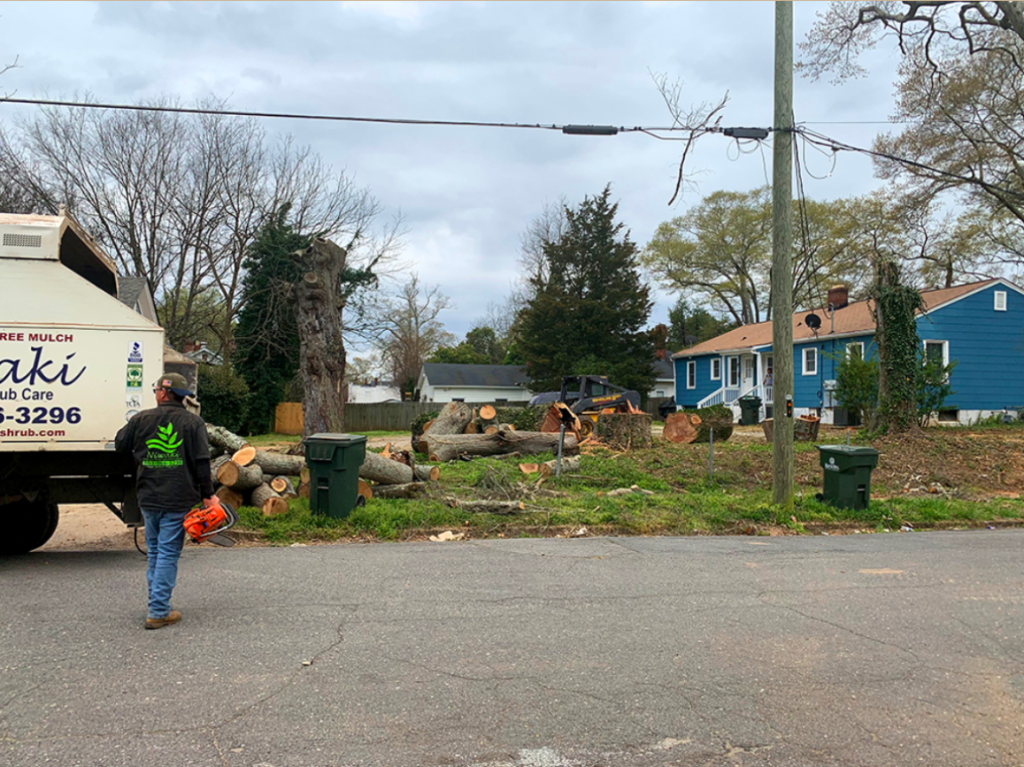
Turn a Risky Tree Into Solved Problem
A leaning trunk near a bedroom window creates quiet stress. Homeowners notice it after every windy night. That worry ends once a trained crew arrives with a plan, the right ropes, and the equipment to lower each section under control.
Anyone searching for tree removal near me deserves more than a rough number shouted from a truck window. A real evaluation looks at root flare, canopy balance, decay pockets, and what sits within the fall radius. Some trees earn a reprieve after that inspection. Others need to come down before the next storm decides for you.
Questions about the cost to remove a tree are welcome at any stage. Clear pricing, clear timing, and clear cleanup expectations make the decision far easier. Take action now and schedule a walkthrough of your property.
Frequently Asked Questions
Price depends on height, trunk diameter, lean, and access. A small dead pine in an open yard sits at the low end. A mature oak over a house, needing crane-assisted removal, sits much higher. Stump grinding is usually priced separately. Written estimates arrive before any work starts.
Rules differ between town limits, unincorporated York County, and individual HOA neighborhoods. Certain protected species and larger diameter trees may require review. Crews familiar with local ordinances check requirements first, which keeps homeowners clear of fines.
Warning signs include mushrooms at the base, hollow sounds when tapped, deep trunk cracks, sudden leaning, and bare branches during summer. A diseased tree sometimes recovers with pruning and soil work. A certified arborist can tell which trees still have a future.
Careful planning prevents most damage. Mats spread machine weight across turf. Rigging lowers sections instead of dropping them. Tight backyards often call for smaller equipment or a crane placed on the driveway. Any minor turf marks are addressed before crews leave.
Yes, when requested. Standard service includes brush chipping and debris removal. Stump grinding brings the remaining wood several inches below grade so grass can grow back. Homeowners who want firewood may keep the rounds instead, at no extra charge.