
Trusted Shrub and Lawn Care Fort Mill, SC
A yard speaks before anyone reaches the front door. Crisp hedges, deep green turf, and clean bed lines tell visitors that a home is cared for. Trusted Shrub and Lawn Care Fort Mill, SC keeps that impression steady through every season. This guide explains what regular upkeep involves and why timing matters more than effort alone.
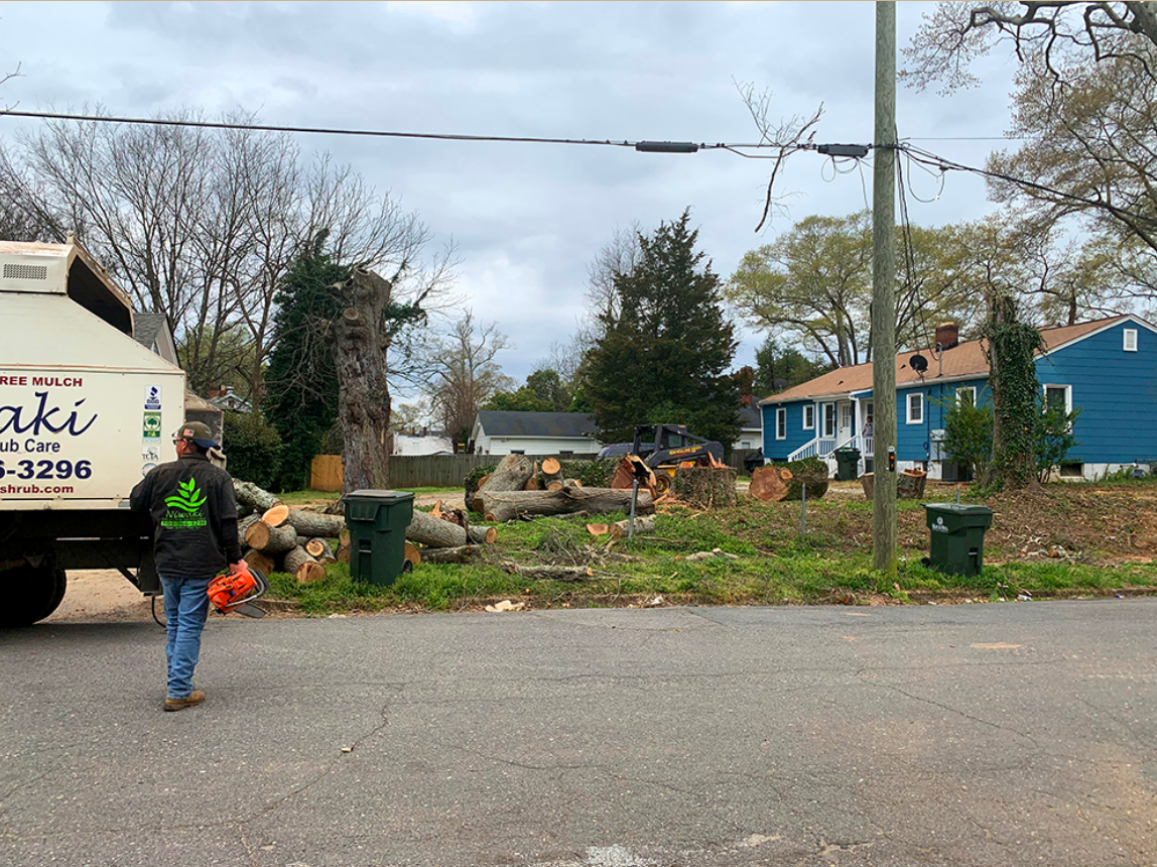
Year-Round Yard Services Handled by Skilled Hands
Healthy plants follow a rhythm. Trusted Shrub and Lawn Care Fort Mill, SC works with that rhythm rather than against it, and Niwaki Tree builds each visit around what the season actually calls for. Shearing a spring bloomer in March removes the flowers. Feeding turf in the wrong month invites disease. Small timing choices produce large results.
Regular yard work covers these areas:
- Shrub trimming and shaping — keeping ornamental shrubs full, even, and sized for their space.
- Hedge trimming — straight faces and level tops on privacy rows and boxwood borders.
- Bush trimming near structures — clearing growth away from siding, windows, and walkways.
- Shrub pruning for health — thinning inner branches so light and air reach the center.
- Lawn maintenance service — mowing at correct heights, edging, and blowing off hard surfaces.
- Fertilization programs — feeding turf and beds on a schedule matched to grass type.
- Weed control — pre-emergent and spot treatments that stop problems before they spread.
- Mulching — fresh beds that hold moisture, cool roots, and sharpen curb appeal.
- Seasonal cleanup — leaf removal, bed refreshing, and winter preparation.
Trees and shrubs share the same soil, so their needs overlap. Pairing yard visits with quality tree care keeps the whole property balanced. Detailed lawn and shrub care plans track what each area received and what comes next.
Why Fort Mill, SC Homeowners Stay With Our Crews
Yard work is easy to start and hard to sustain. Weekends fill up. Heat arrives. Hedges grow shaggy while nobody is watching. Niwaki Tree removes that pressure with steady visits and crews who notice small problems early.
Property owners receive real value:
- Trained plant knowledge, so hollies, azaleas, and hydrangeas each get correct treatment.
- Consistent scheduling that keeps a healthy lawn from slipping between cuts.
- Sharp, clean tools that leave smooth wounds and reduce disease entry points.
- Soil-aware feeding based on grass type, sun exposure, and time of year.
- Full debris removal after every trimming and cleanup visit.
- Simple reporting on what was done and what the yard needs next month.
Local conditions matter here. Clay soil, humid summers, and fescue that struggles in August all shape a good plan. Crews working these neighborhoods daily understand those patterns.
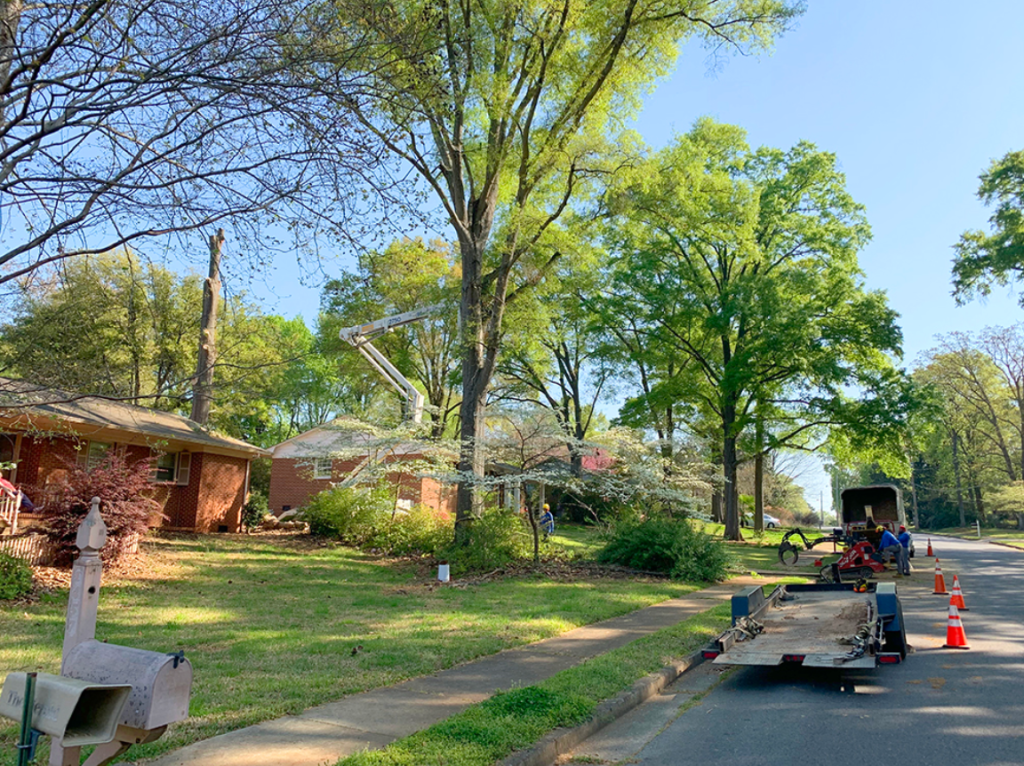
A Yard That Looks Cared For, Week After Week
Consider the difference between a rushed mow and real landscape maintenance. One flattens grass and moves on. The other reads the yard: blade height adjusted for heat, beds edged clean, hedges shaped to their natural line, and mulch refreshed before it thins out.
That level of attention pays off in ways homeowners notice. Turf holds color deeper into summer. Ornamental shrubs bloom heavier the following spring. Weeds struggle to find open ground. Neighbors searching for lawn care near me often ask which company handles the yard three doors down.
Landscaping services work at their strongest when someone tracks the property over years, not weeks. History guides better decisions. A shrub that declined last August gets checked earlier this year. Contact Us Today to arrange a walkthrough and a written care plan.
Frequently Asked Questions
Most hedges in this region need shaping two to three times per year. Fast growers like ligustrum may need more. Slow growers such as boxwood often need less. Light, regular shaping beats one heavy shearing, since severe reduction can expose bare inner wood that takes seasons to fill.
Timing depends on when buds form. Spring bloomers such as azalea and forsythia should be pruned soon after flowers fade. Summer bloomers can be shaped in late winter. Pruning at the wrong point removes next year’s flowers, which explains many disappointing seasons.
Tall fescue struggles once soil temperatures climb. Brown patch disease, drought stress, and mowing too short all contribute. Raising blade height, watering deeply in early morning, and adjusting fertilization usually restores color. Some yards recover fully with fall overseeding.
Yes. A two to three inch layer holds soil moisture, moderates root temperature, and blocks weed seeds from sprouting. Mulch also breaks down slowly and improves soil quality. Piling it against trunks causes rot, so proper depth and spacing matter.
Plans vary by property size and goals. Common packages combine mowing, edging, bed weeding, shrub shaping, fertilization rounds, and seasonal cleanup. Homeowners can start with core visits and add treatments later. Written estimates arrive before any work begins.