
Crape Myrtle Specialist Fort Mill, SC
Few trees say “Carolina summer” like a crape myrtle in full bloom. Yet many of these graceful trees are cut back into stubby knuckles each winter. A trained Crape Myrtle Specialist Fort Mill, SC protects both the shape and the flowers. This guide explains proper care, common mistakes, and the steps that keep a Lagerstroemia healthy for decades.
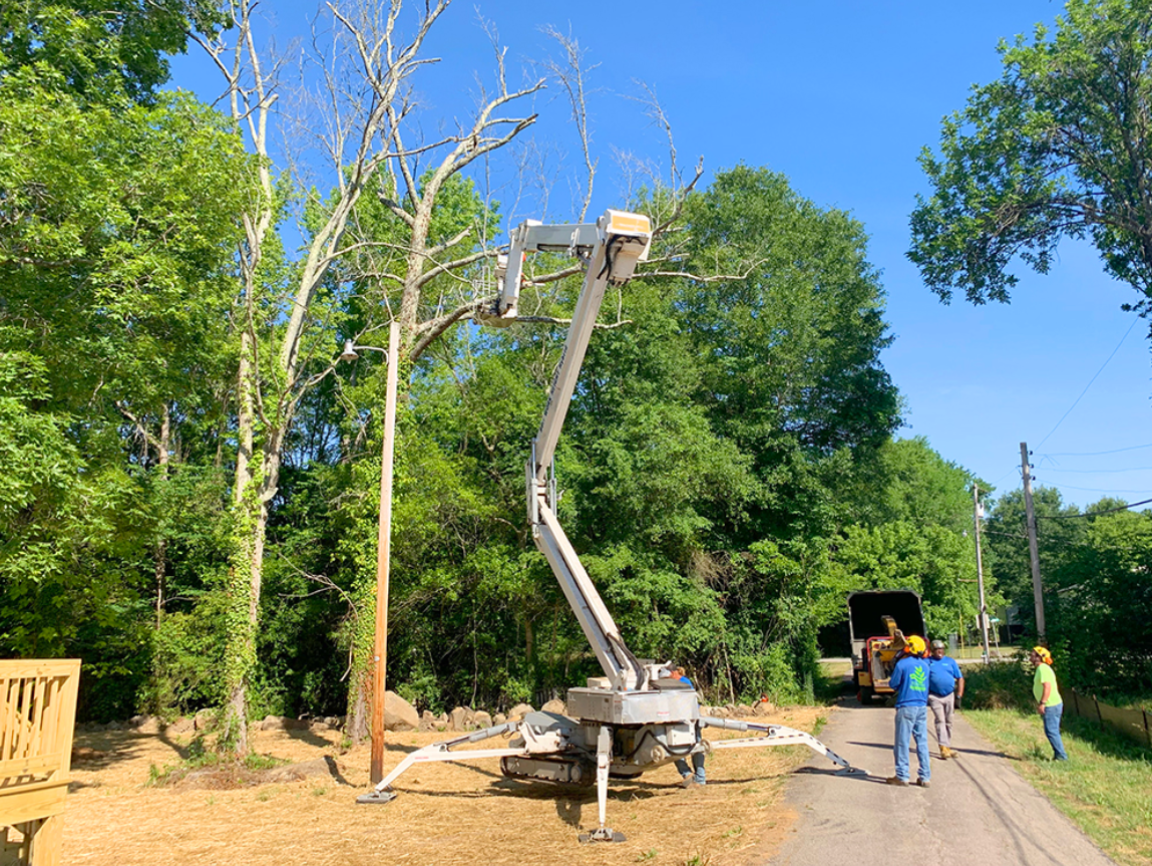
Skilled Crape Myrtle Services for Every Season
Good results come from knowing the tree, not from following a calendar alone. A Crape Myrtle Specialist Fort Mill, SC studies each trunk before touching it, and Niwaki Tree follows that same order on every property. Bark quality, branch angles, past damage, and bloom history all guide the plan.
Care work usually falls into these areas:
- Structural crape myrtle pruning — thinning small, crossing branches so light and air reach the inner canopy.
- Canopy shaping — guiding growth toward a vase form with smooth, exposed trunks.
- Sucker and basal shoot removal — clearing the shoots that sprout at the base and steal energy.
- Deadheading — removing spent flower clusters to encourage a second round of blooms.
- Seasonal pruning schedules — late winter work before buds swell, plus light touch-ups in summer.
- Powdery mildew treatment — addressing the gray film that coats leaves during humid stretches.
- Aphids and sooty mold control — treating the insects that cause sticky leaves and black residue.
- Bark scale management — identifying white, crusty patches early, before branches weaken.
- Correction work after crape murder — rebuilding shape on trees that were topped in past years.
Proper crepe myrtle trimming removes only what the tree does not need. Heavy over-topping creates knobs, weak shoots, and floppy branches that bend under rain. Steady quality tree care avoids that outcome entirely. Homeowners who want deeper detail can review the full crape myrtle care approach used on local properties.
Why Fort Mill Homeowners Trust Our Crews
Crape myrtles reward patience. Rushed crepe myrtle maintenance can ruin twenty years of growth in a single afternoon. Niwaki Tree approaches every tree in Fort Mill, SC with restraint, sharp tools, and respect for natural form.
Property owners gain clear benefits:
- Certified arborists who follow ANSI A300 pruning standards on each cut.
- Bloom-focused timing so flowering trees are shaped without losing a season of color.
- Health checks covering leaf spot, insect pressure, and root conditions.
- Clean removal of debris, leaving beds and lawns tidy after each visit.
- Honest advice about which trees need work and which should be left alone this year.
- Long-term plans that reduce future problems instead of repeating the same heavy cuts.
Local soil, humidity, and heat shape how a Lagerstroemia behaves near the Catawba River. Crews familiar with York County conditions read those signals faster than general lawn services.
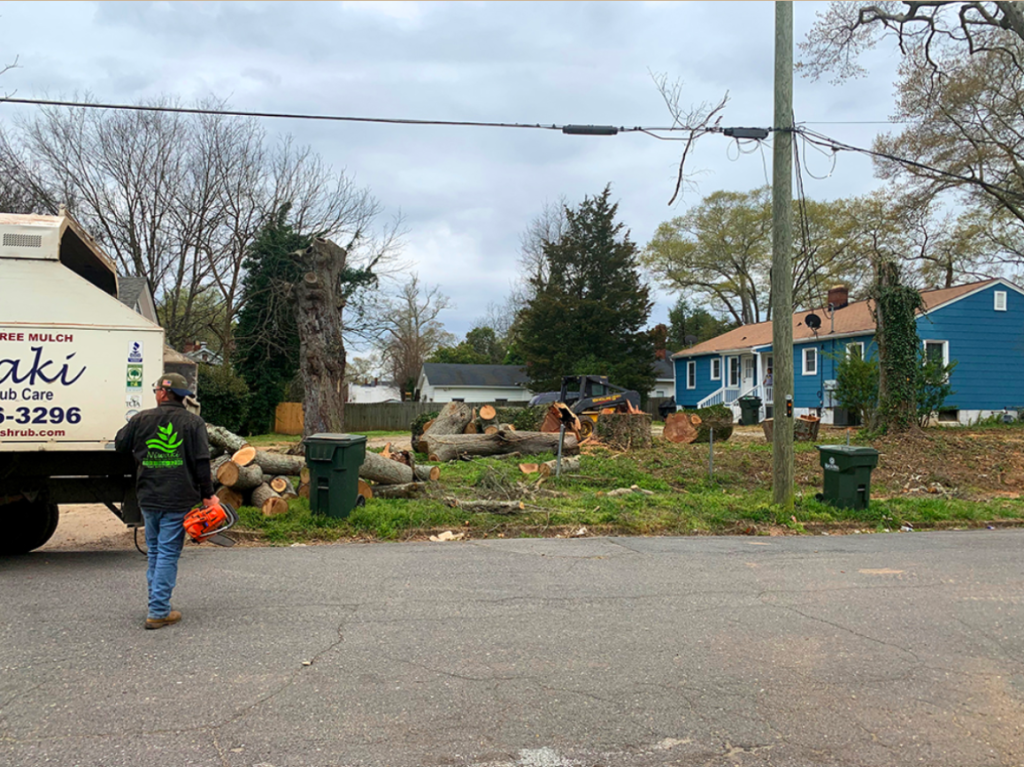
Give Your Trees the Care They Deserve This Season
Picture a row of crape myrtles with smooth cinnamon bark, open canopies, and heavy clusters of blooms that last from June into September. That result is achievable on nearly any established tree, even one that was topped years ago. Recovery takes time and skill, though the change becomes visible within two growing seasons.
Careful crape myrtle shaping does more than improve appearance. Open canopies dry faster after rain, which lowers powdery mildew pressure. Balanced branches carry flower weight without splitting. Healthy trees also resist aphids and sooty mold far better than stressed ones.
Anyone unsure about how to prune crape myrtles should pause before reaching for saws in January. One wrong season of cuts can undo years of growth. A short assessment from a Crape Myrtle Specialist Fort Mill, SC brings clarity about what each tree needs and when. Reach out today to schedule a walkthrough of your property.
Frequently Asked Questions
Late winter works well, usually between mid-February and early March. Buds have not opened yet, so branch structure stays easy to read. Light deadheading can continue through summer. Fall pruning is discouraged, since fresh cuts invite cold damage before dormancy sets in.
Crape murder describes over-topping, where trunks are chopped to the same height each year. The tree survives, though it grows thin, weak shoots from swollen knobs. Recovery is possible. Skilled crews select strong shoots, remove the rest over several seasons, and rebuild a natural canopy.
That combination points to aphids and sooty mold. Aphids feed on leaves and leave behind a sugary residue. A dark fungus then grows on that residue. Treating the insects stops the cycle, and rain gradually washes the black film away.
Several causes are common: too much shade, heavy winter cuts that remove flowering wood, excess nitrogen fertilizer, or drought stress during bud formation. Proper crepe myrtle trimming and a soil check usually restore flowering within one season.
Those are likely bark scale insects. They appear as small white or gray bumps along trunks and branches, often paired with black sooty mold. Early treatment protects the tree. Left alone, heavy populations weaken growth and reduce blooms year after year.