Avoiding Transplant Shock: Expert Tree Transplanting Tips for York, SC Homeowners
Table of Contents
How to avoid transplant shock in trees?
To avoid transplant shock, transplant trees tips during their dormant season (late fall to early spring) to minimize metabolic stress. Prioritize preserving a large, intact root ball, maintain consistent moisture through deep watering, and apply a 2-3 inch layer of mulch to regulate soil temperature. Avoiding heavy pruning and fertilizer immediately after moving also helps the tree focus on root establishment.
Moving a tree in a York backyard is a big job. A person spends hours digging. They find the perfect spot. They hope the tree will grow tall and give shade. Then, a few weeks later, the leaves turn brown. The branches look dry. This is a sad sight for any homeowner. It is called transplant shock. It happens when a tree is moved from one place to another and cannot get enough water. In the city of York, SC, the weather and the ground make this even harder. The local tree care experts see this problem often.
Transplant shock is not a mystery. It is a physical problem. When a tree is dug up, it loses many of its smallest roots. These small roots are the ones that drink water. Without them, the tree is thirsty. Even if the ground is wet, the tree cannot drink. The leaves still want water to grow. This gap between what the tree needs and what it can get causes the shock. In South Carolina, the heat makes the leaves want even more water. This makes the shock worse. Niwaki Tree and Shrub wants every tree in York County to live a long life.
York has very specific conditions. The soil here is often heavy red clay. This is part of the Piedmont region. Clay holds water too much or not enough. In the summer, the air is very thick and hot. This high humidity can hide how much a tree is struggling. A tree might look okay in the morning but wilt by noon. Knowing how to handle these local issues is the first step in learning about tree health.
What causes tree transplant shock?
One might ask why a tree gets so sick just from moving. The main reason is root loss. When a tree grows in the woods or a yard, its roots go out very far. They can be two or three times wider than the tree branches. When a person digs a tree up, they only take a small ball of dirt. The reality is that up to 90% of a tree’s feeder roots are left behind during a move. These are the tiny, hair-like roots that do the hard work. Without them, the tree has no way to pull moisture from the York soil.
Water stress is the next big part. It is like a person trying to run a race while breathing through a tiny straw. The tree tries to keep its leaves alive. It uses up all its stored energy. If the tree cannot get water fast enough, the cells lose their Turgor Pressure. This is the pressure that keeps leaves stiff and green. When this pressure drops, the leaves go limp. This is a cry for help from the tree.
The York climate factor is very important too. In South Carolina, spring is often short. It can be 70 degrees in April and 90 degrees by June. This rapid change is hard on a new tree. A tree moved in late spring has no time to grow new roots before the baking sun hits it. Niwaki Tree and Shrub has helped people for over 26 years with these issues. Their experience shows that timing is everything in York. If the tree is not ready for the heat, it will likely fail. Every tree needs a fair chance to grow.
Reducing Stress Before You Dig
Preparation is the secret to success. One should not just grab a shovel and start digging today. For a large tree, root pruning is a smart move. This involves cutting a circle around the tree six months before the move. This sounds mean, but it helps. It makes the tree grow new, thick roots inside the circle. When the tree is finally moved, it has a better root system to take with it. This is a pro tip that many homeowners skip.
Hydration is also vital. The tree should be watered deeply 48 hours before the move. This makes sure the cells are full of water. It also helps the dirt stick to the roots. Dry dirt falls away and leaves the roots bare. Bare roots die very fast when they touch the air. A tree that is well-hydrated has a much better chance of surviving the trip to its new home.
Site matching is another big deal. A tree that likes shade will not be happy in the middle of a hot York field. One must look at the old spot and the new spot. Are they the same? Is the dirt the same? York has many hills. A spot at the bottom of a hill might be too wet for a tree that likes dry feet. Niwaki Tree and Shrub suggests checking the sun at different times of the day. A tree that gets morning sun and afternoon shade is often the happiest in our area.
Critical Tips During the Move
When it is time to move, follow these steps to keep the tree safe. Moving trees safely is about being gentle and smart.
- The Wide and Shallow Rule: People often dig holes that are too deep. In York clay, a deep hole is like a bathtub. It holds water and drowns the roots. The hole should be twice as wide as the root ball but no deeper. This lets the new roots move sideways into the soft dirt easily.
- Handle with Care: One must never lift a tree by its trunk. This can tear the bark. The bark is like the tree’s skin. If it is hurt, the tree can get bugs or rot. Always support the root ball from the bottom. Use a piece of burlap or a cart to move it.
- Soil Integrity: It is best to keep as much of the original dirt as you can. This dirt has Mycorrhizae. These are good fungi that help the roots eat and drink. If you wash the dirt off, you lose these helpers. The tree will have a harder time starting over in a new place.
- Eliminating Air Pockets: When the tree is in the hole, put the dirt back in slowly. Do not stomp on it with your feet. This packs the clay too tight. Instead, use a hose to water the dirt as you go. The water will help the dirt settle and get rid of air gaps. Roots cannot grow in big air pockets.
Niwaki Tree and Shrub knows that these steps take more time. But doing it right the first time saves the tree. A tree is a living thing, not a piece of furniture. It needs to be treated with respect.
The First 100 Days in York, SC
The first 100 days are when the tree is most likely to die. A person must watch it every day. The watering schedule is the most important part. In York’s red clay, the ground can look dry on top but be muddy underneath. Use the “Finger Test.” Stick a finger two inches into the dirt. If it feels wet, do not water. If it feels dry, give it a long, slow drink. This is better than a quick splash every day.
Mulching for moisture is a great way to help. But many people do it wrong. They pile mulch against the trunk like a volcano. This is bad. It rots the wood. Instead, use the “Donut” method. Put a 2-3 inch layer of mulch in a circle around the tree. Keep it a few inches away from the trunk. This keeps the roots cool and the water in the ground. It also keeps lawnmowers away from the tree.
Many people think they should prune the top of the tree to help it. They think the roots have less work to do. This is a mistake. The tree needs its leaves to make food. The food helps the roots grow. Unless a branch is broken, leave the canopy alone for at least a year. Let the tree decide which branches it can keep.
Also, follow the no-fertilizer rule. Nitrogen makes the tree want to grow more leaves and branches. But the tree needs to grow roots first. Fertilizer is like giving a sick person a heavy meal. It is too much to handle. Wait until the tree is growing well before adding any food. The soil in York usually has enough minerals to get a tree started anyway. Niwaki Tree and Shrub has seen many trees get “burned” by too much fertilizer too soon.
Signs of Trouble and When to Call an Expert
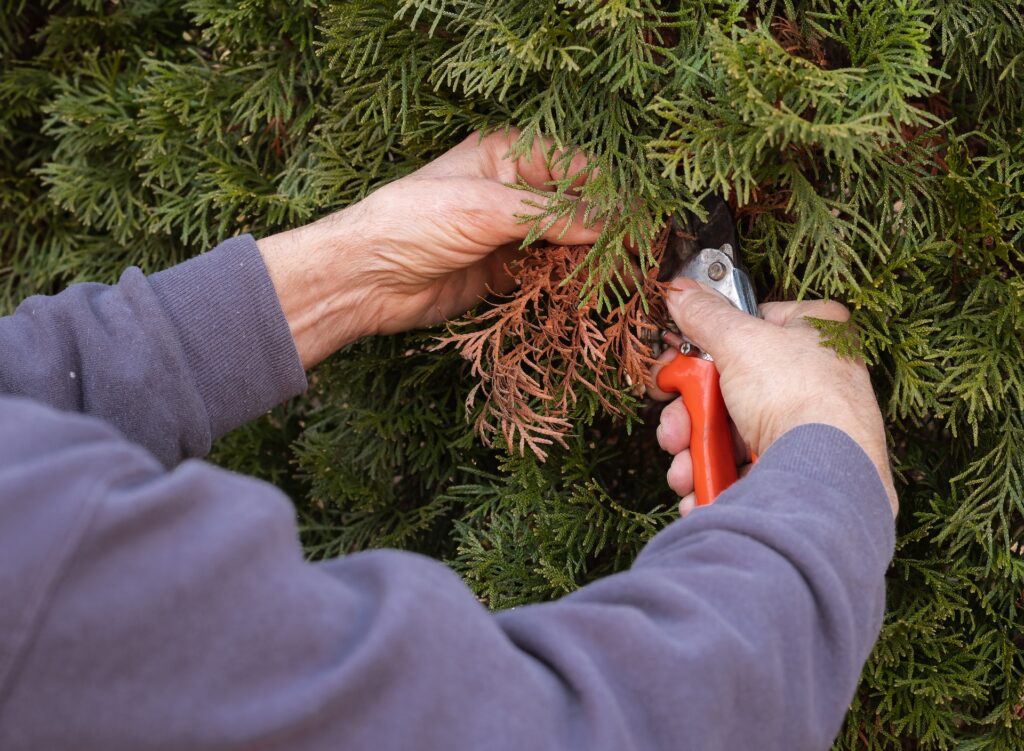
A homeowner should look for early warning signs. If the leaves look like they are burned at the edges, this is leaf scorch. It means the tree is losing water faster than it can drink. Premature leaf drop is another sign. If it is July and the leaves are falling like it is autumn, the tree is in trouble. “Dieback” is when the very tips of the branches die first. This shows the tree is pulling its energy back to its core to try and stay alive.
There is a simple way to check if a branch is dead. It is called the Scratch Test. Use a fingernail or a small knife to gently scratch a tiny bit of bark off a twig. If it is green and moist underneath, the branch is alive. If it is brown and brittle, that part of the tree is dead. This helps you know if you should keep hope or if the tree is gone.
Sometimes, the job is too big. If a tree is more than 10 feet tall, it is very heavy. Moving it without big machines is dangerous for the person and the tree. If the tree has been in the ground for a month and is still wilting, professional help is needed. An arborist can look at the soil and the tree’s health. They might have special tools to help the tree recover. Niwaki Tree and Shrub is always ready to look at a struggling tree. It is better to call early than to wait until the tree is completely brown.
The health of your yard affects the whole neighborhood. Trees clean the air and keep our homes cool. In York, SC, we are proud of our green spaces. Taking care of a new tree is a way to help the whole town. It takes patience and a little bit of work every day. But seeing that tree grow big and strong is a great reward.
Transplanting is like surgery for a tree. It hurts the tree, and it needs time to heal. Recovery takes time and consistent care. One cannot expect a tree to be perfect in a week. It might take two or three years for a tree to feel truly “at home” in its new spot. But a tree moved correctly today will provide shade for York generations to come. This is how we keep our county beautiful.
If you are worried about a tree you just moved, do not wait. It is a good idea to get help from an arborist. They can do a “Health Check” and tell you exactly what the tree needs. Whether it is a different watering plan or better mulch, a small change can save a big tree. Protecting the green legacy of York County is a job for everyone. Niwaki Tree and Shrub is proud to be a part of that work. We want to see every oak, maple, and dogwood thrive in our beautiful South Carolina home. Your trees are a gift to the future. Let’s make sure they stay healthy and strong for years to come.